The travel journal
Ultimate Guide to Sky Diving in Cambodia: Thrills and Scenic Views
I’ve always been captivated by the thrill of skydiving, and recently, I discovered a gem of a destination that’s not typically on every adrenaline junkie’s radar: Cambodia. Known for its rich history and stunning landscapes, Cambodia offers a unique backdrop for skydiving enthusiasts looking to add a twist to their aerial adventures.
I’ve always been captivated by the thrill of skydiving, and recently, I discovered a gem of a destination that’s not typically on every adrenaline junkie’s radar: Cambodia. Known for its rich history and stunning landscapes, Cambodia offers a unique backdrop for skydiving enthusiasts looking to add a twist to their aerial adventures.
Skydiving in Cambodia isn’t just about the free fall; it’s an immersive experience that combines breathtaking views with a rush of excitement. From the moment you jump out of the plane, you’re treated to a panorama of lush jungles, ancient temples, and the expansive blue of the Tonle Sap Lake. It’s an unforgettable way to witness the beauty of this Southeast Asian country. Join me as I dive into what makes skydiving in Cambodia a must-try for thrill-seekers and adventure lovers alike.
Key Takeaways
- Unique Skydiving Experience: Cambodia offers a distinct skydiving adventure with views of ancient temples, lush jungles, and expansive lakes, providing a memorable experience beyond just the thrill of freefall.
- Optimal Seasons for Diving: The best time for skydiving in Cambodia is during the dry season, from November to April, offering clear skies and stable weather for safer and more visually satisfying jumps.
- Top Locations for Beginners: The Skydiving Center Cambodia in Phnom Penh and Temple Sky Dive in Siem Reap are ideal for beginners, offering comprehensive safety protocols and stunning aerial views of cultural landmarks.
- Safety Standards and Regulations: Adhering to local and international skydiving safety regulations is critical for ensuring a safe experience, with emphasis on proper gear, weather conditions, and certified instructors.
- Cultural and Scenic Integration: Skydiving in Cambodia combines the thrill of the sport with the country’s rich cultural heritage and picturesque landscapes, making it a transformative adventure.
- Recommended Tours: The exclusive Angkor Wat Jump with Temple Sky Dive is highly recommended, blending cultural richness with the excitement of skydiving for a unique touristic experience.
Overview Of sky diving In cambodia
Sky diving in Cambodia presents an extraordinary adventure amidst breathtaking scenery. From my exhilarating jumps, I’ve come to realize that the country’s unique landscape enhances the sky diving experience significantly. Positioned in Southeast Asia, Cambodia houses diverse topographies like rolling plains, mountain ranges, and pristine coastlines, providing divers with varied aerial views that are difficult to find elsewhere.
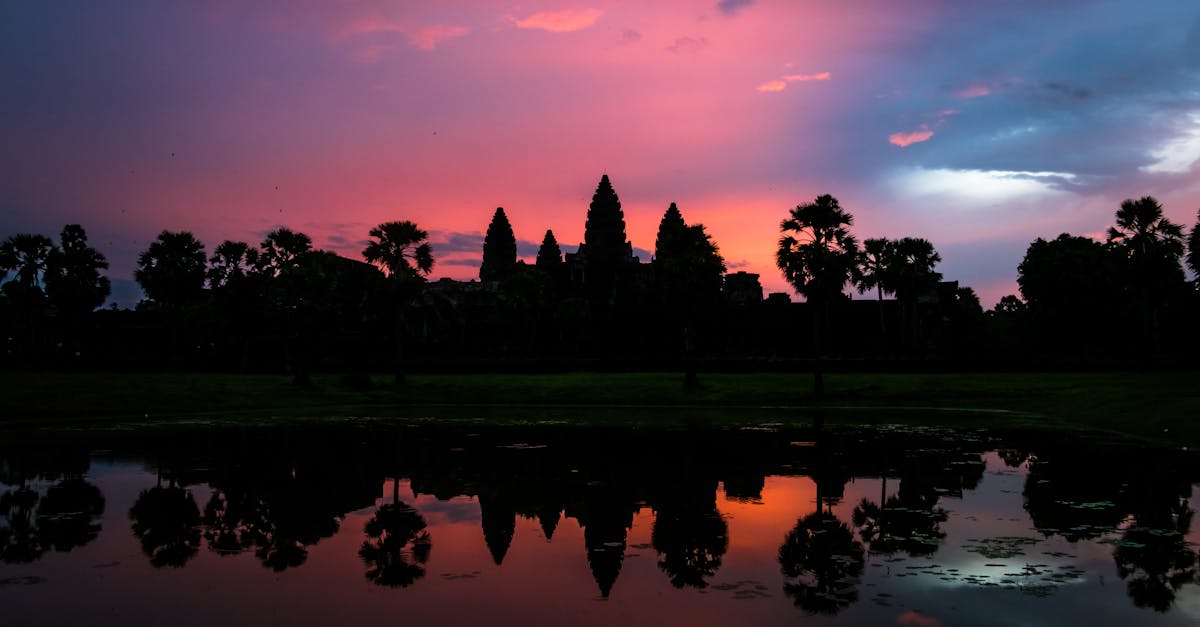
Cambodia’s sky diving hubs primarily operate out of Phnom Penh and Siem Reap. Each location offers distinct perspectives. In Phnom Penh, you leap into the sky with urban landscapes unfolding below, while Siem Reap allows you to float down with views of UNESCO-listed Angkor Wat, an awe-inspiring sight from any altitude. These experiences combine the thrill of free fall with the delight of historical and natural panoramas.
For beginners and seasoned skydivers alike, local skydiving centers in Cambodia provide all the necessary equipment and experienced instructors to ensure safety and an unforgettable dive. Most of these centers are affiliated with international skydiving organizations, which adhere to stringent safety standards. The jump conditions in Cambodia are typically favorable throughout the year, though the best time to skydive is during the dry season, from November to April, when the skies are clear and the winds are mild.
Jumping over Cambodia not only indulges your adventurous spirit but also offers an unrivaled opportunity to witness the charm of this Southeast Asian country from a unique vantage point. The vivid imagery of ancient temples scattered across lush jungles and the expansive Tonle Sap Lake seen from above is simply unparalleled.
Throughout my experiences, I’ve noted that each dive in Cambodia was more than just a thrilling activity; it was a moment of profound connection with nature and history, set against an awe-inspiring backdrop. This makes skydiving in Cambodia not just a sport, but a truly transformative experience.
Best Locations For sky diving
I’m excited to share some of the best spots for sky diving in Cambodia, especially attractive to those who might be newer to this exhilarating sport. Below, I’ve listed top locations that not only offer safe environments but also unforgettable aerial views that cater perfectly to beginners.
Top Sky Diving Spots for Beginners
If you’re new to sky diving, Cambodia provides a variety of options where safety and breathtaking sceneries are paramount. Here’s where I recommend starting your adventure:
- Skydiving Center Cambodia in Phnom Penh: Beginners find this spot ideal because of its comprehensive introductory programs. The center uses modern equipment and adheres strictly to international safety protocols. If you dive here, you’ll see Phnom Penh’s unique mix of traditional and modern architecture.
- Temple Sky Dive in Siem Reap: This center stands out due to its proximity to the ancient city of Angkor. Beginners get to experience the thrill of free falling with a vista of Angkor Wat in the background—a truly awe-inspiring sight. The staff here are well-trained and extremely supportive, ensuring a memorable and safe first dive.
By choosing either of these centers, you dive not only into the air but also into rich culture and stunning landscapes that make every moment memorable.
Best time of year for sky diving in cambodia
Sky diving in Cambodia connects adventurers not only with the thrill of the jump but also with the country’s awe-inspiring landscapes. For the optimal experience, timing is key.
Sky Diving Conditions and Seasons
In Cambodia, the dry season, spanning from November to April, presents the best conditions for sky diving. During these months, the skies are clear, and the weather is mostly stable, providing safer jumps and better visibility. The temperature ranges from 24°C to 32°C, which is comfortable for both the ascent and the jump.
This season avoids the heavy rains and strong winds typical of the monsoon season from May to October. Inclement weather can pose risks and limit visibility, factors that can detract from the overall experience of sky diving. Moreover, many sky diving centers in Cambodia may reduce operational hours or close during the rainy season, focusing on maintenance and training.
Furthermore, exploring Cambodia’s sky diving spots during the dry season allows for unobstructed views of the country’s majestic landscapes, from the ancient ruins of Angkor Wat in Siem Reap to the bustling cityscapes of Phnom Penh. Clear skies ensure that divers can fully appreciate the breathtaking scenes below, making each dive a visually stunning experience.
Choosing the right time for sky diving in Cambodia enhances the safety, enjoyment, and overall impact of the dive, promising a memorable adventure among some of the world’s most picturesque settings.
sky diving Rentals and Tours
In Cambodia, the thrill of skydiving is enhanced not just by the spectacular free fall but by the stunning aerial views of the country’s landscape. As you consider your skydiving adventure here, knowing where to find quality equipment and the best tour options is essential.
Where to Rent Essential Sky Diving Gear Needed
Skydiving requires specific gear, including parachutes, jumpsuits, helmets, and goggles. In Cambodia, reliable rentals are available at local skydiving centers. Skydiving Center Cambodia in Phnom Penh and Temple Sky Dive in Siem Reap are top choices. These centers offer gear that meets international safety standards, ensuring you dive with confidence. They also provide pre-jump training sessions to familiarize you with the equipment and techniques you’ll use during your dive.
Best Sky Diving Tour in Cambodia
For the pinnacle skydiving experience in Cambodia, I recommend the exclusive Angkor Wat Jump with Temple Sky Dive in Siem Reap. This tour allows you to dive with an unrivaled view of the ancient temple complex, a UNESCO World Heritage Site. The package includes a guided tour, all necessary skydiving gear, and a certificate of completion. The professional instructors ensure safety throughout the jump, making it a memorable and safe experience. Moreover, this tour blends the thrill of skydiving with the cultural richness of Cambodia, making it a must-do for thrill-seekers visiting the country.
Safety Tips For sky diving In cambodia
Skydiving in Cambodia offers an exhilarating experience combined with stunning visuals of the country’s landscape. As a frequent skydiver, I find it crucial to adhere to safety protocols to ensure a memorable and secure adventure. Below, I’ll delve into understanding local regulations and staying safe over water during your jumps.
Understanding Local Regulations
Before suiting up for a jump, familiarizing yourself with Cambodia’s specific skydiving regulations is essential. Cambodia follows international skydiving safety standards, but local nuances exist. The Civil Aviation Authority of Cambodia (CAAC) oversees all aerial activities, ensuring all operators maintain rigorous safety records.
Key regulations include:
- Age Limit: Participants must be at least 18 years old.
- Health Requirements: A formal medical clearance might be necessary, especially for those with pre-existing conditions.
- Certification: For solo dives, a valid skydiving license (e.g., USPA, CSPA) is required.
- Weather Constraints: Operators are strict about not conducting jumps during adverse weather conditions, aligning with the seasonal recommendations I mentioned earlier.
Staying Safe On The Water
Given Cambodia’s geographical features, some skydiving experiences might involve water landings, specifically near coastal areas or the Tonle Sap Lake. Here are tips to ensure safety during such scenarios:
- Pre-Dive Briefings: Attend and pay attention during all briefings, especially those concerning water landings.
- Proper Gear: Ensure you have a life vest on if the planned landing zone involves water.
- Training: Engage in practice sessions designed for water landings, usually offered by skydiving centers.
- Follow Instructions: Always adhere to the instructor’s directions during the jump and landing procedures.
By being well-prepared and informed, skydivers can safely enjoy the breathtaking views Cambodia has to offer, from high above and during those exhilarating moments of freefall.
Conclusion
Skydiving in Cambodia transcends the typical adventure; it’s a journey through the heart of a vibrant landscape and a deep dive into the culture of an ancient land. I’ve explored the skies above the rolling plains and pristine coastlines and can attest that each jump is a unique narrative of exhilaration and enlightenment. Whether you’re gazing down at the majestic Angkor Wat or floating over the bustling streets of Phnom Penh, the experience is unforgettable.
For those looking to embrace the thrill of skydiving with the added allure of Cambodia’s rich history and natural beauty, there’s no better time to plan your trip than the dry season. The clear skies and optimal conditions will enhance your adventure ensuring every moment is savored. So gear up and prepare for an experience that promises not just a rush of adrenaline but a profound connection with this incredible country.
Last updated