The travel journal
Explore the Best Snorkeling Spots in Vietnam: A Complete Guide
I recently had the chance to explore the vibrant underwater world of Vietnam, a hidden gem for snorkeling enthusiasts. From the crystal-clear waters of Phu Quoc to the diverse marine life in Nha Trang, Vietnam offers an array of stunning spots that are perfect for both beginners and seasoned snorkelers.
I recently had the chance to explore the vibrant underwater world of Vietnam, a hidden gem for snorkeling enthusiasts. From the crystal-clear waters of Phu Quoc to the diverse marine life in Nha Trang, Vietnam offers an array of stunning spots that are perfect for both beginners and seasoned snorkelers.
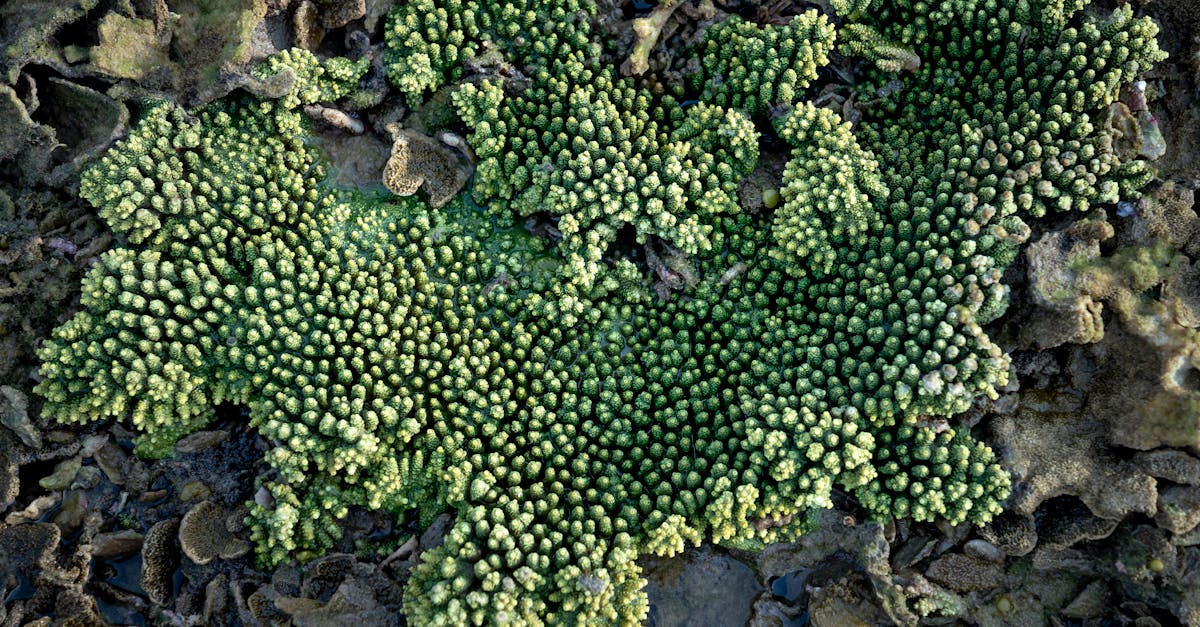
Diving into the warm waters, I was mesmerized by the colorful coral reefs and the schools of playful fish darting around. It’s an experience that not only allows you to witness the beauty of the ocean but also brings you closer to nature in the most intimate way.
If you’re planning a trip or just curious about underwater adventures, stay tuned as I dive deeper into why Vietnam should be your next snorkeling destination.
Key Takeaways
- Diverse Snorkeling Locations: Vietnam offers a variety of snorkeling spots suitable for all levels, from the shallow, beginner-friendly waters at Star Beach in Phu Quoc to the rich, diverse marine habitats near Hon Mun Island for more experienced snorkelers.
- Optimal Snorkeling Season: The best time to snorkel in Vietnam is from April to October, when the water is warm (28°C to 30°C), and visibility can reach up to 30 meters thanks to calmer water conditions.
- Rich Marine Life: The snorkeling sites in Vietnam boast vibrant coral reefs and a wide array of marine life, including colorful fish, sea turtles, and occasional sightings of moray eels, especially in areas like Nha Trang and Con Dao.
- Safety and Regulations: Awareness of local snorkeling regulations and safety measures is crucial. Rent high-quality gear, adhere to local marine rules, and consider safety practices like using the buddy system and staying informed about weather conditions.
- Affordable and Accessible Gear Rental and Tours: Gear rentals and snorkeling tours are widely available and affordable, with options like Rainbow Divers and Coco Dive Center providing professional services and equipment for a safe and enjoyable experience.
- Environmental Preservation: Engaging in responsible snorkeling by complying with local regulations helps preserve Vietnam’s underwater ecosystems for future generations.
Overview Of snorkeling In vietnam
Vietnam, with its extensive coastline and myriad of islands, offers some of the best snorkeling spots in Southeast Asia. As I explored these spots, I discovered that each location boasts unique features, contributing to an unforgettable snorkeling experience.
The country’s tropical waters are warm year-round, making it perfect for snorkeling at any time. The visibility under water can reach up to 30 meters on a clear day, especially in areas around the islands such as Phu Quoc and Con Dao. These places are often celebrated for their preserved marine ecosystems, which aren’t just beautiful; they’re thriving with diverse marine life. From vibrant coral reefs teeming with colorful fish to the occasional sighting of sea turtles, Vietnam’s underwater environment is a snorkeler’s paradise.
Understanding the seasonal changes is crucial for planning the optimal snorkeling trip. The best times to snorkel in Vietnam are from April to October when the water conditions are calmest. During these months, the northeastern monsoon subsides, which significantly clears the waters and enhances underwater visibility.
Locations like Hon Mun Island near Nha Trang are particularly popular among snorkelers. This area is famous for its protected marine areas where fishing and water sports are restricted, ensuring an undisturbed habitat for marine life. Here, snorkelers can immerse themselves in the sight of hard and soft corals, alongside a plethora of fish species, including clownfish, lionfish, and perhaps even the elusive moray eel.
Each snorkeling spot in Vietnam offers a distinct experience, whether you’re a beginner or a seasoned pro. The shallow waters near the beaches are perfect for beginners, while the deeper waters around offshore islands provide thrilling adventures for those with more experience. Choosing the right spot depends on your skill level and what you hope to see beneath the waves.
By sharing these insights, I aim to help you understand what makes Vietnam such a notable destination for snorkeling enthusiasts. The combination of warm waters, diverse marine life, and excellent visibility make it a superior choice for anyone looking to dive into the beauty of the underwater world.
Best Locations For snorkeling
Snorkeling in Vietnam offers unforgettable underwater adventures across a variety of exceptional locations. From beginners to experts, the country’s seascape caters to all diving enthusiasts.
Top Snorkeling Spots for Beginners
Vietnam’s gentle seas and rich marine environments make it an ideal location for beginner snorkelers. My first recommendation is Star Beach on Phu Quoc Island. The shallow waters here are not only safe but also teeming with marine life, perfect for those new to snorkeling. The visibility is excellent, often extending up to 20 meters, allowing beginners to easily see and enjoy the underwater spectacle.
Another superb location is Bai Dai Beach in Nha Trang. Known for its soft, sandy bottom and clear blue waters, Bai Dai offers stress-free snorkeling. Marine creatures, such as colorful fishes and even sea turtles, are common sights, making each snorkeling session both thrilling and educational.
For those starting out, these spots provide not only safety but also a wide diversity of marine life and easy beach access, ensuring a rewarding first snorkeling experience.
Best time of year for snorkeling in vietnam
Vietnam’s extensive coastline and ideal tropical conditions make it a prime snorkeling destination year-round. However, I’ve found that some periods offer especially exceptional underwater visibility and marine life activity.
Snorkeling Conditions and Seasons
The optimal time to snorkel in Vietnam spans from April to October. During these months, the water temperatures are comfortably warm, typically ranging from 28°C to 30°C, and the weather conditions are generally stable.
- Visibility: The clarity of the water peaks during the summer months, ranging between 20 to 30 meters. This high visibility enhances the snorkeling experience by providing clearer views of marine life and coral formations.
- Marine Life: From April through October, a variety of marine species are more active and visible. Divers often encounter a diverse array of fish, including angelfish, parrotfish, and clownfish, swimming amongst vibrant coral reefs.
- Weather Conditions: The monsoon season, running from November to March, can bring stronger winds and higher waves, particularly in central and northern Vietnam. If you snorkel during these months, be prepared for less predictable conditions, although the southern regions like Phu Quoc and Con Dao remain relatively calm.
Identifying the best times for snorkeling in specific locations like Phu Quoc and Nha Trang has greatly enriched my experiences and interactions with Vietnam’s enchanting underwater world. By choosing the right season, you too can maximize your enjoyment and safety during your snorkeling adventures in this beautiful country.
snorkeling Rentals and Tours
Snorkeling in Vietnam offers an opportunity to explore a colorful underwater universe. To enhance your experience, I’ll guide you on where to find essential gear and the best tours available.
Where to Rent Essential Snorkeling Gear Needed
Renting high-quality snorkeling gear is crucial for a safe and enjoyable underwater adventure. In Vietnam, many coastal resorts and dive shops provide equipment rentals. For instance, in Nha Trang, the Rainbow Divers shop offers everything from snorkels to fins. Furthermore, along Phu Quoc Island, shops like Coco Dive Center provide not only gear but also valuable advice on local conditions. Prices typically range from $5 to $15 per day, ensuring affordability without compromising on safety.
Best Snorkeling Tour in Vietnam
Among the myriad tours available, the tour around Hon Mun Island stands out. Known for its thriving marine ecosystems, this marine protected area offers guided snorkeling trips that showcase a variety of coral species and marine life. Tours usually last half a day, including gear rental and guidance from experienced instructors. Prices start at around $20 per person, which often includes additional amenities like lunch and transport from mainland Nha Trang. This opportunity allows you to fully immerse yourself in Vietnam’s aquatic splendor with expert guidance ensuring a memorable exploration of the underwater world.
Safety Tips For snorkeling In vietnam
Snorkeling in Vietnam’s vibrant underwater worlds, such as Phu Quoc and Nha Trang, requires awareness of safety measures to enhance the experience. I’ll delve into important aspects including local regulations and water safety.
Understanding Local Regulations
When snorkeling in Vietnam, it’s vital to be aware of local regulations that preserve both your safety and the marine environment. Each snorkeling spot in Vietnam may have its own set of rules, often governed by the local marine authorities. For instance, in protected areas like around Hon Mun Island, certain activities may be restricted to prevent damage to coral reefs and marine habitats.
Complying with these regulations helps ensure the ongoing health of the ecosystems, enabling future visitors to enjoy the same beautiful marine life. Before diving in, I always make sure to check with local dive shops or tour guides for the most current restrictions and marine park rules, which can include no-touch policies on marine life, avoiding coral contact, and restrictions on fishing.
Staying Safe On The Water
Safety on the water is paramount while snorkeling in Vietnam’s seas. Visibility, which can reach up to 30 meters in optimal conditions, is a key factor in preventing accidents. Knowing the weather and water conditions before entering the sea is crucial. I consistently monitor local weather updates and avoid snorkeling during rough sea conditions, especially during the monsoon season from November to March.
I advise wearing a well-fitted life jacket, especially for those who are not strong swimmers. Additionally, using a buddy system increases safety, as you keep an eye on each other while enjoying the underwater scenery. On my recent trips, I’ve also found it helpful to carry a whistle and a waterproof bag with essential items like water and a first aid kit.
Lastly, I ensure that the snorkeling equipment I use is in excellent condition. Renting gear from reputable providers, such as Rainbow Divers in Nha Trang and Coco Dive Center on Phu Quoc Island, guarantees high-quality equipment that won’t fail when you most need it. Effective communication with your guide or dive shop about your swimming capabilities can also enhance your safety, as they can provide appropriate gear and advice for your skill level.
Conclusion
Snorkeling in Vietnam has truly captivated my heart. From Phu Quoc’s Star Beach to the vibrant reefs around Hon Mun Island, each location offers a unique glimpse into the underwater marvels of Southeast Asia. Whether you’re a novice or an avid snorkeler, the crystal-clear waters and abundant marine life promise an unforgettable experience. Remember to choose the right season and gear up with quality equipment to make the most out of your underwater adventure. With each dive, you’ll find yourself more connected to the natural beauty and serenity of Vietnam’s seas. So don’t hesitate—dive in and let the wonders of Vietnam’s oceans enchant you.
Last updated