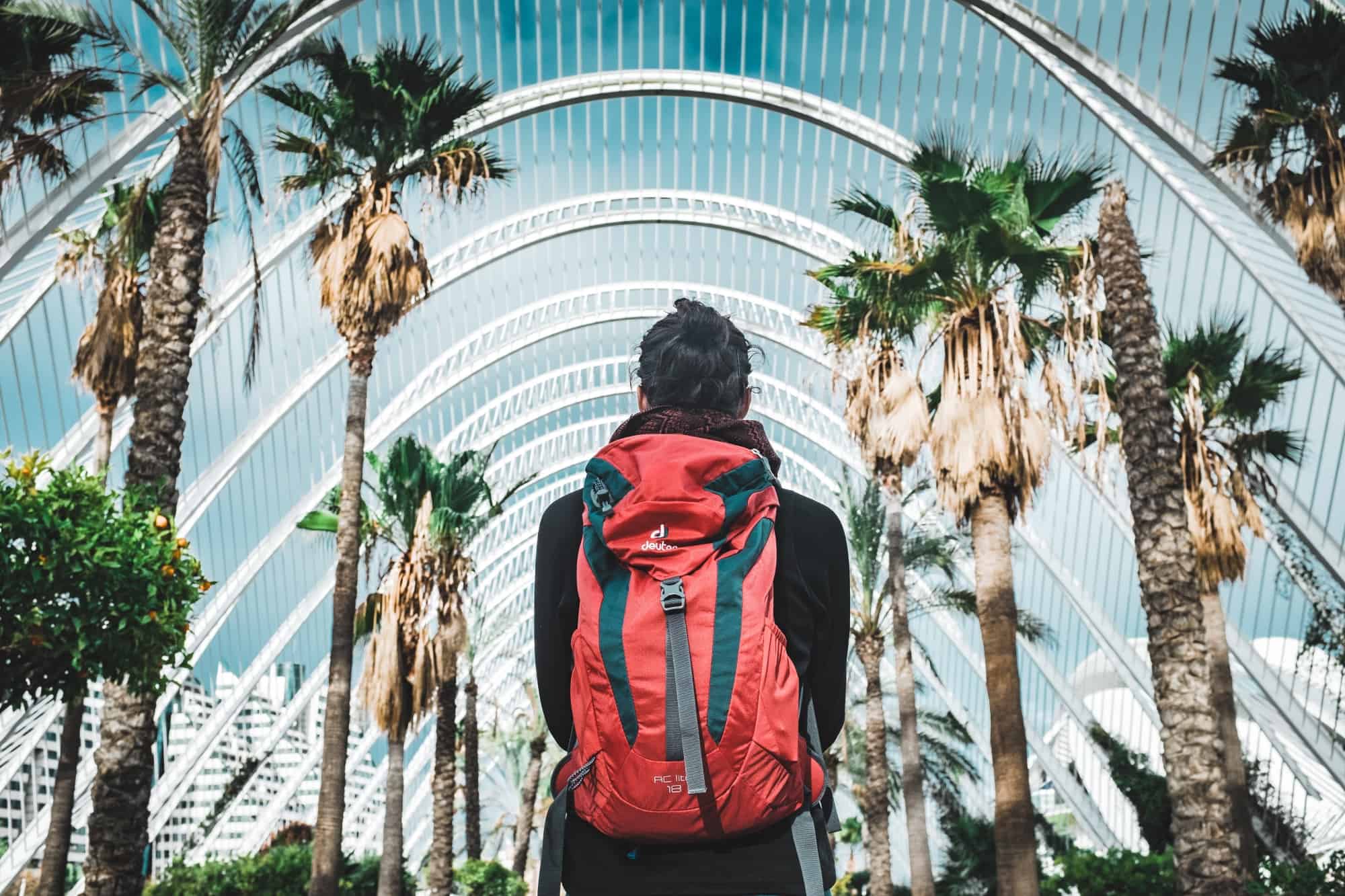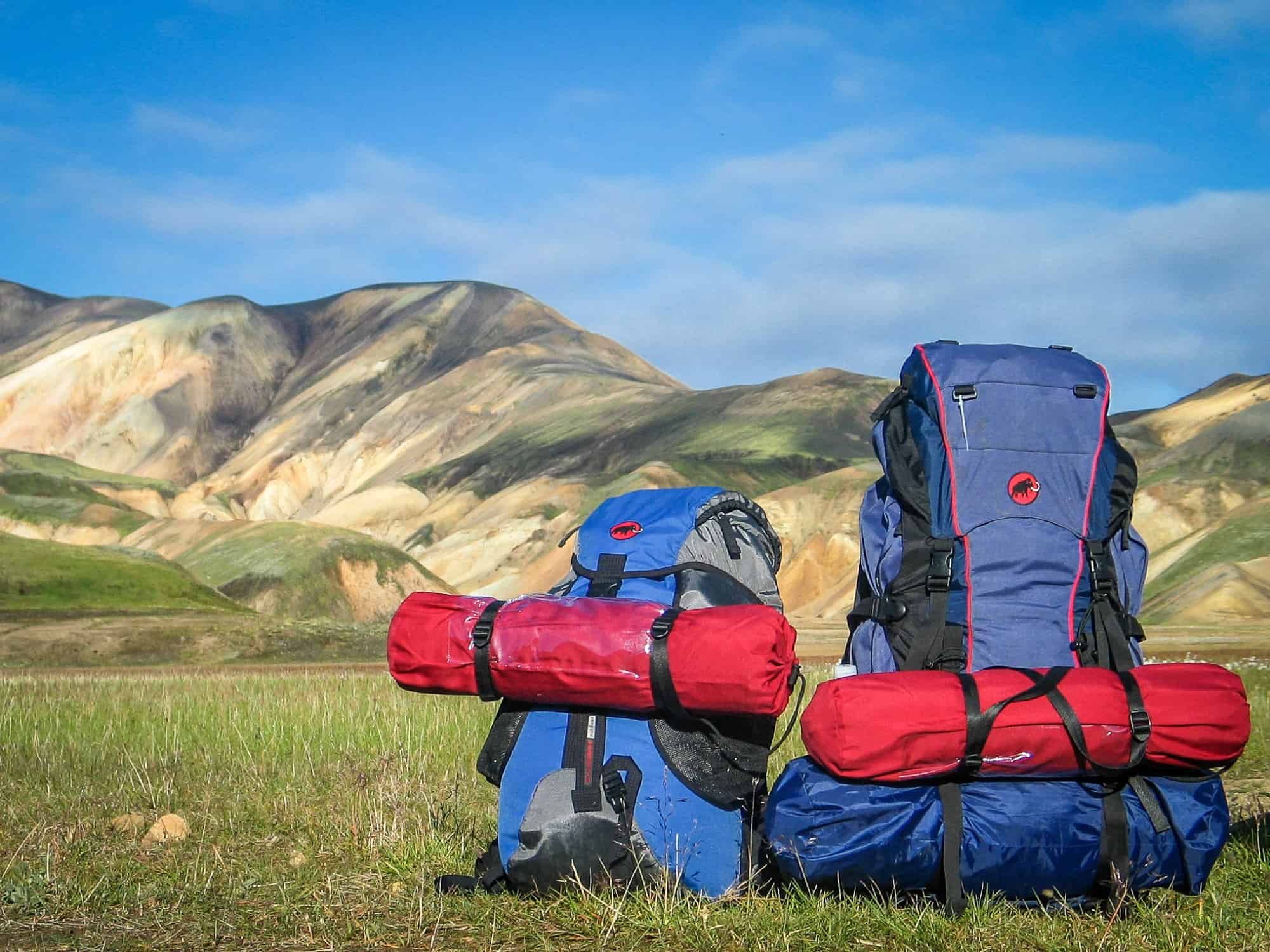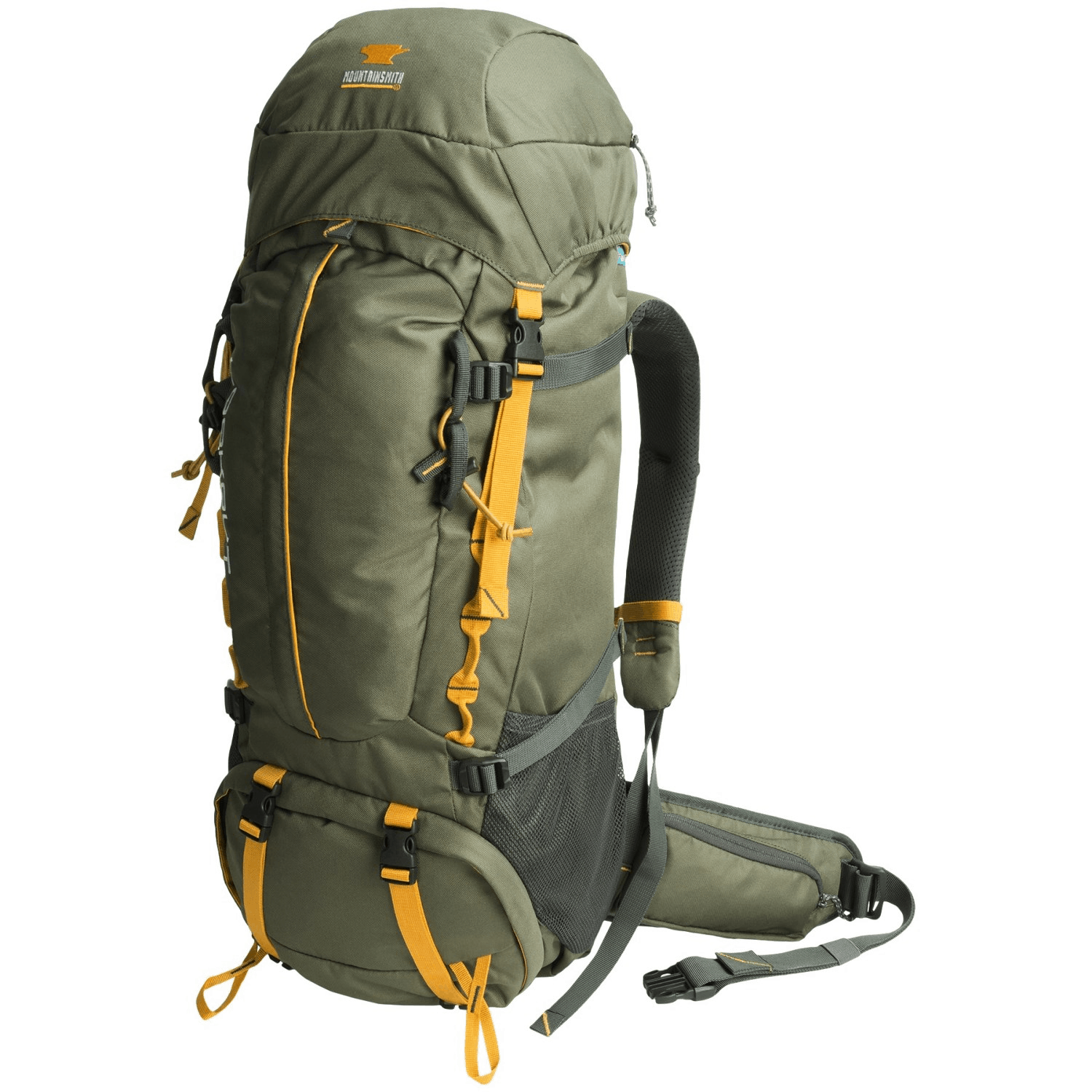
Three weeks into a backpacking trip through Southeast Asia, we reached for our socks — and couldn’t find them. The culprit: a top-loading bag stuffed to the brim, meaning everything had to come out before anything could go back in. We swapped packs at the next city, and the rest of the trip ran smoothly. Picking the best travel backpack before you leave isn’t glamorous, but getting it wrong costs you time, back pain, and sanity.
We’ve tested 40L and 60L packs across months of travel in Asia, Europe, and Central America. Here’s what we actually learned — plus our top picks for 2026.
- The sweet spot for most travellers: 35–45L with a clamshell (front-loading) opening and stowable shoulder straps
- A 40L main pack + 15L daypack combo beats a single 60L every time — lighter, more flexible, carry-on compliant
- Best overall: Cotopaxi Allpa 35L | Best budget: Osprey Farpoint 40 | Best for digital nomads: Aer Travel Pack 3
- Internal frame packs are lighter and better balanced than external frame — always choose internal for travel
- Always buy from a retailer with a return policy and test the pack fully loaded before your trip
Our Top 3 Best Travel Backpacks for 2026
Before we dive into how to choose, here are the three carry-on travel backpacks that consistently top expert reviews in 2026:
| Pick | Backpack | Capacity | Weight | Best For |
|---|---|---|---|---|
| 🏆 Best Overall | Cotopaxi Allpa 35L | 35L | 1.4 kg | Frequent flyers, organised packers |
| 💰 Best Budget | Osprey Farpoint 40 | 40L | 1.4 kg | Budget travellers, backpackers |
| 💻 Best for Digital Nomads | Aer Travel Pack 3 | 35L | 1.9 kg | Remote workers, tech-heavy travellers |
All three fit within most international airline carry-on limits. According to IATA guidelines, the standard carry-on allowance is approximately 56 × 45 × 25 cm — though budget carriers often enforce stricter limits, so always check your specific airline before packing.
Front-Loading (Clamshell) vs. Top-Loading: Why It Matters
The single most important feature on any travel backpack is how it opens. Front-loading (clamshell) packs open completely from top to bottom, like a suitcase laid flat. Top-loading packs only open at the top — meaning you have to unpack half the bag to find a pair of socks at the bottom.
After months of both styles, the difference is enormous in practice:
- Clamshell: Every item visible at once. Unpack and repack in two minutes. Airport security is straightforward.
- Top-loading: Items disappear into layers. Retrieving anything from the bottom requires full unpacking.
If you’re moving between accommodation every few days — which is most backpackers — a clamshell opening saves 15–20 minutes per day. For a three-week trip, that’s nearly a full day of time recovered.
Most modern travel-specific backpacks use clamshell design. Hiking packs (Osprey Atmos, Deuter Aircontact) are typically top-loading — fine for multi-day treks, but frustrating for city-hopping travel.
What Size Travel Backpack Do You Actually Need?
There is no universally perfect size — but there are useful guidelines based on trip length and airline requirements:
| Trip Length | Recommended Capacity | Carry-On Compliant? |
|---|---|---|
| Weekend / 3–5 days | 20–30L | Yes (most airlines) |
| 1–2 weeks | 30–40L | Yes (most airlines) |
| 2–4 weeks | 40–45L | Yes (standard carriers), No (budget LCCs) |
| Extended travel (1+ month) | 40L main + 15–20L daypack | Yes (main as check-in, daypack as carry-on) |
We made the classic mistake: first trip, we packed a 60L. It was enormous, heavy, and too big for overhead bins — meaning extra checked luggage fees on every budget flight. On our second trip we switched to a 40L with a 15L detachable daypack. The combo fit in overhead bins on every flight, and the daypack clipped to the front for day trips, keeping valuables close and balancing the load.
Avoid anything over 50L unless you’re doing multi-week trekking in remote areas. The more space you have, the more unnecessary things you’ll pack.
Internal Frame vs. External Frame: Always Go Internal
You’ll encounter both frame types when shopping. Here’s why internal frame wins for travel:
Internal frame packs have a thin aluminium or plastic frame built inside the bag’s back panel. The result: the pack sits close to your back, keeping your centre of gravity natural. Straps are fully adjustable for different torso lengths. The bag is more compact and flexible, which matters when squeezing into overhead bins or bus luggage racks.
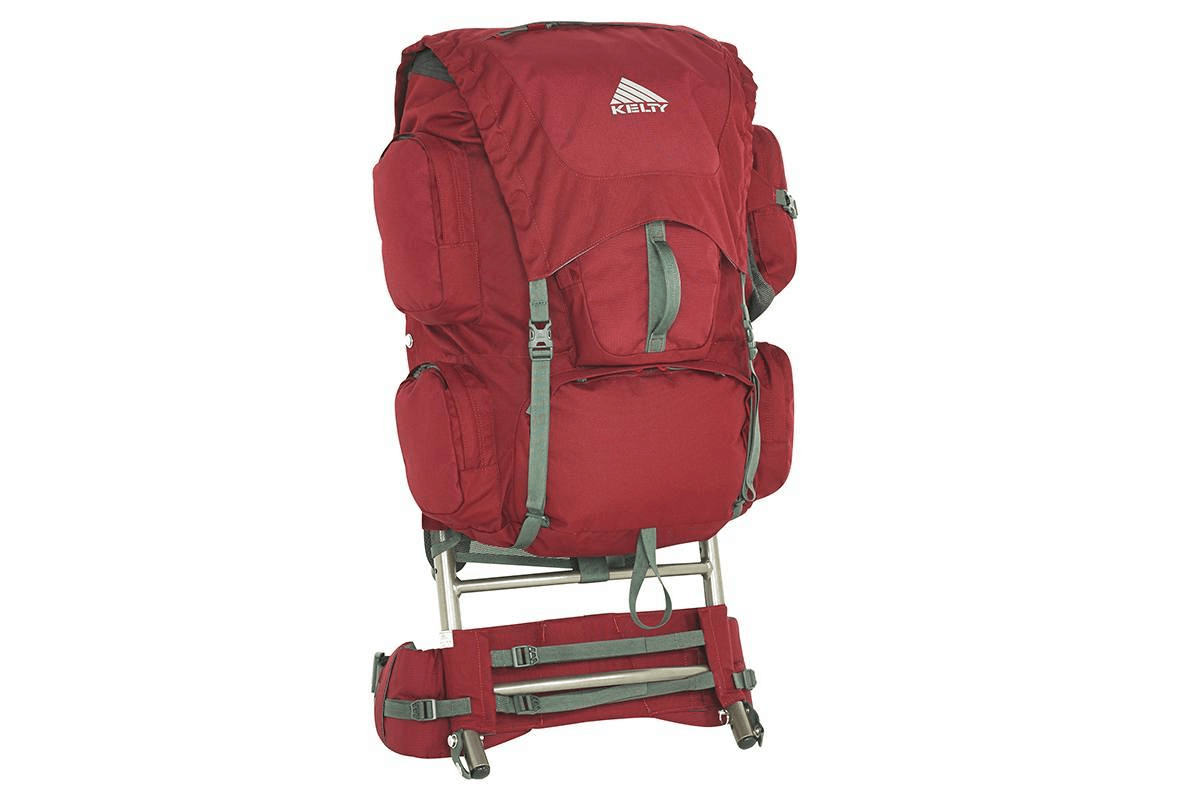
External frame packs have a visible rigid frame on the outside. They were popular for long-distance hiking decades ago, but the bulk, inflexibility, and poor carry-on compatibility make them unsuitable for modern travel.
For travel backpacking — as opposed to multi-day wilderness hiking — there is no reason to choose external frame. Every bag we recommend in this guide uses an internal frame.
Essential Features Checklist
Beyond frame and opening style, here’s what to check before buying:
Waterproof Material or Cover
Southeast Asian monsoon season means daily downpours. Even in Europe or South America, unexpected rain happens. Look for packs with water-resistant coatings (DWR-treated fabric or TPU-coated shell, like the Cotopaxi Allpa). If your pack isn’t fully waterproof, buy a separate waterproof rain cover — they’re inexpensive and pack into almost nothing. Protecting electronics inside your bag is non-negotiable. You can find good eco-friendly travel accessories including reusable dry bags and waterproof covers that do the same job with less environmental impact.
Padded Hip Belt and Shoulder Straps
The hip belt transfers 60–80% of the pack’s weight from your shoulders to your hips — the strongest load-bearing part of your body. Without it, a 12 kg pack will wreck your shoulders within an hour. The small gap the hip belt creates between your back and the pack also improves airflow, keeping you cooler in hot climates.
Stowable Shoulder Straps
Many airlines require bags to have no loose straps hanging off them to be accepted as luggage. A pack with a zip-away harness system (shoulder straps, hip belt, and sternum strap zip neatly inside a flap) means it travels as normal luggage without getting caught in conveyor belts or rejected at check-in.
TSA-Friendly Laptop Compartment
A dedicated laptop sleeve that folds open flat allows you to place the laptop directly in the security tray without removing it from the bag. The Aer Travel Pack 3 has one of the best laptop compartments in this category.
Multiple Compartments
More compartments mean a more organised pack. Look for: main compartment, separate laptop/tablet sleeve, front organisation panel (for cables, passport, cards), side water bottle pocket, and a quick-access top pocket. The more you can assign items to dedicated “homes,” the less time you spend searching.
Anti-Theft Features: Protecting Your Valuables
Petty theft is a reality in many popular travel destinations. The good news: a few smart features dramatically reduce your risk.
Lockable zippers: Choose a pack with two zipper pulls on main compartments so you can loop a TSA-approved lock through both. TSA-approved locks use a master key system that security agents can open without cutting — protecting the lock from damage during bag checks. This works best against opportunistic theft in hostels or luggage racks. As we discuss in our guide to travelling safely and ethically, keeping valuables secure is one part of responsible travel.
Unbranded or low-profile look: An expensive-looking branded bag signals “worth stealing.” A plain, slightly worn-looking pack attracts far less attention on public transport where bag-snatching is more common.
Daypacks for valuables: Your main pack goes in the hostel locker or bus luggage hold. Keep your laptop, passport, cards, and camera in the daypack on your body at all times in busy areas.
RFID-blocking pocket: Some packs include RFID-blocking fabric in a dedicated passport/card pocket — useful insurance for busy tourist areas.
Finding the Right Fit for Your Body
A technically excellent backpack that doesn’t fit your body will still cause back pain. Here’s how to find the right fit:
Torso length, not height, determines backpack fit. Most brands (Osprey, Deuter, Gregory) offer S/M/L sizes based on torso measurement — from the C7 vertebra at the base of your neck to the top of your hip bones. Measure before buying.
Women’s-specific packs have shorter torso lengths, narrower shoulder widths, and hip belts shaped for wider hips. Brands like Osprey offer women’s versions of most travel backpacks (e.g., Osprey Fairview 40). If you’re buying online without trying the pack, the women’s version is worth considering for a more comfortable fit.
Try it loaded. When testing in a shop, fill the pack to at least 8–10 kg before walking around. Adjust the hip belt so it sits across the top of your hip bones (not the waist), tighten the shoulder straps, then pull the load lifters to bring the top of the pack closer to your back.
How to Buy: Where, Budget, and Return Policy
Two routes: buy in person at an outdoor/travel gear shop, or buy online with a generous return window.
In person: Specialised outdoor retailers (REI, Cotswold Outdoor, Decathlon) have staff trained to fit packs. Bring clothes you’d actually pack — the fit of a loaded bag is what matters.
Online: REI’s 365-day return policy is the gold standard. Brand-direct purchases (Cotopaxi, Osprey, Aer) have good return windows too.
Budget tiers:
- Under $100: Decathlon Forclaz 30, Osprey Daylite Plus — functional but limited travel features
- $100–$180: Osprey Farpoint/Fairview 40, North Face Base Camp Voyager — excellent value, proven for long-term travel
- $180–$250: Cotopaxi Allpa 35L, Aer Travel Pack 3, Tortuga Outbreaker — premium materials, warranty, lifetime quality
Before your trip, pack your actual gear into the bag and do a 30-minute walk. Does it sit comfortably? Can you reach your water bottle without taking it off? If anything feels off, adjust the fit — or return it and try again. Don’t discover problems on day one of a six-week trip. Good travel insurance protects against lost or stolen gear once you’re on the road — worth having alongside a solid pack.
If you’re thinking about where to head with your new backpack, our guide to the top digital nomad destinations covers cities that work brilliantly for backpacker-style long-term travel.
Frequently Asked Questions
What is the best backpack for travelling on an airplane?
The best carry-on travel backpack for air travel is 35–45L with stowable shoulder straps and dimensions under 56 × 45 × 25 cm. The Cotopaxi Allpa 35L and Osprey Farpoint 40 are consistently rated top choices in 2026. Always verify carry-on limits with your specific airline — budget carriers enforce stricter size and weight limits.
Can I take a 40L backpack on a plane?
Yes, in most cases. A 40L backpack that measures approximately 55 × 35 × 25 cm meets the carry-on requirements of most major airlines including British Airways, United, Emirates, and Singapore Airlines. Budget carriers may have stricter limits — check your airline’s exact dimensions before packing.
Is a 50L backpack too big for carry-on?
Usually yes. Most 50L+ packs exceed at least one carry-on dimension on major international carriers. Even where they technically fit size limits, they’re often physically too large for overhead bins. 45L is the practical upper limit for carry-on travel backpacks.
What is a TSA-friendly backpack?
A TSA-friendly backpack has a dedicated laptop sleeve that opens flat so you can lay the laptop in a security tray without removing it from the bag. Most modern travel backpacks include this feature. The TSA also recommends keeping cables, adapters, and electronics in a single top-access pouch to speed up screening.
What is the best backpack to avoid pickpockets?
The best anti-theft travel backpack has lockable zippers (dual pulls you can loop a TSA lock through), looks unbranded and low-profile, and has a hidden or back-access pocket for passports and cards. Models like the Pacsafe Venturesafe series use slash-resistant fabric and locking zippers as core features.
What is the highest rated travel backpack?
In 2026, the Cotopaxi Allpa 35L consistently earns the top overall rating from Pack Hacker, NYT Wirecutter, and BetterTrail for its durable TPU shell, clamshell opening, and excellent organisation. The Aer Travel Pack 3 scores highest among digital nomads for its laptop compartment and carry ergonomics.
What makes a backpack TSA approved?
No backpack is formally “TSA approved” as a category — TSA does not certify bags. The term typically refers to TSA-approved locks (combination locks with a master key slot) and TSA-compliant laptop access (laptop removes quickly for X-ray screening). Look for bags with a dedicated, flat-opening laptop sleeve.
Ready to Put Your New Backpack to Work?
Choosing the right pack is step one. The adventure is step two. If you’re planning a first backpacking trip through Southeast Asia — the region where we first learned these lessons — consider letting a guided tour handle logistics while you focus on the experience.
- 21 Days Across Southeast Asia — Thailand, Laos, Vietnam and Cambodia in one trip. All transport, accommodation, and entrance fees included. Small group (max 15).
- 6-Day Umphang Jungle Trek from Bangkok — A backpack-heavy adventure through Thailand’s Umphang district with overnight jungle camping. Max 10 participants.
{
“@context”: “https://schema.org”,
“@type”: “FAQPage”,
“mainEntity”: [
{
“@type”: “Question”,
“name”: “What is the best backpack for travelling on an airplane?”,
“acceptedAnswer”: {
“@type”: “Answer”,
“text”: “The best carry-on travel backpack for air travel is 35–45L with stowable shoulder straps and dimensions under 56 x 45 x 25 cm. The Cotopaxi Allpa 35L and Osprey Farpoint 40 are consistently rated top choices in 2026.”
}
},
{
“@type”: “Question”,
“name”: “Can I take a 40L backpack on a plane?”,
“acceptedAnswer”: {
“@type”: “Answer”,
“text”: “Yes, in most cases. A 40L backpack measuring approximately 55 x 35 x 25 cm meets the carry-on requirements of most major airlines. Budget carriers may have stricter limits.”
}
},
{
“@type”: “Question”,
“name”: “Is a 50L backpack too big for carry-on?”,
“acceptedAnswer”: {
“@type”: “Answer”,
“text”: “Usually yes. Most 50L+ packs exceed carry-on dimensions on major international carriers. 45L is the practical upper limit for carry-on travel backpacks.”
}
},
{
“@type”: “Question”,
“name”: “What is a TSA-friendly backpack?”,
“acceptedAnswer”: {
“@type”: “Answer”,
“text”: “A TSA-friendly backpack has a dedicated laptop sleeve that opens flat so you can lay the laptop in a security tray without removing it from the bag.”
}
},
{
“@type”: “Question”,
“name”: “What is the best backpack to avoid pickpockets?”,
“acceptedAnswer”: {
“@type”: “Answer”,
“text”: “The best anti-theft travel backpack has lockable zippers, looks unbranded and low-profile, and has a hidden back-access pocket for passports and cards.”
}
},
{
“@type”: “Question”,
“name”: “What is the highest rated travel backpack?”,
“acceptedAnswer”: {
“@type”: “Answer”,
“text”: “In 2026, the Cotopaxi Allpa 35L consistently earns the top overall rating from Pack Hacker, NYT Wirecutter, and BetterTrail for its durable TPU shell, clamshell opening, and excellent organisation.”
}
},
{
“@type”: “Question”,
“name”: “What makes a backpack TSA approved?”,
“acceptedAnswer”: {
“@type”: “Answer”,
“text”: “No backpack is formally TSA approved. The term refers to TSA-approved locks and TSA-compliant laptop access — a flat-opening laptop sleeve that allows quick removal for X-ray screening.”
}
}
]
}