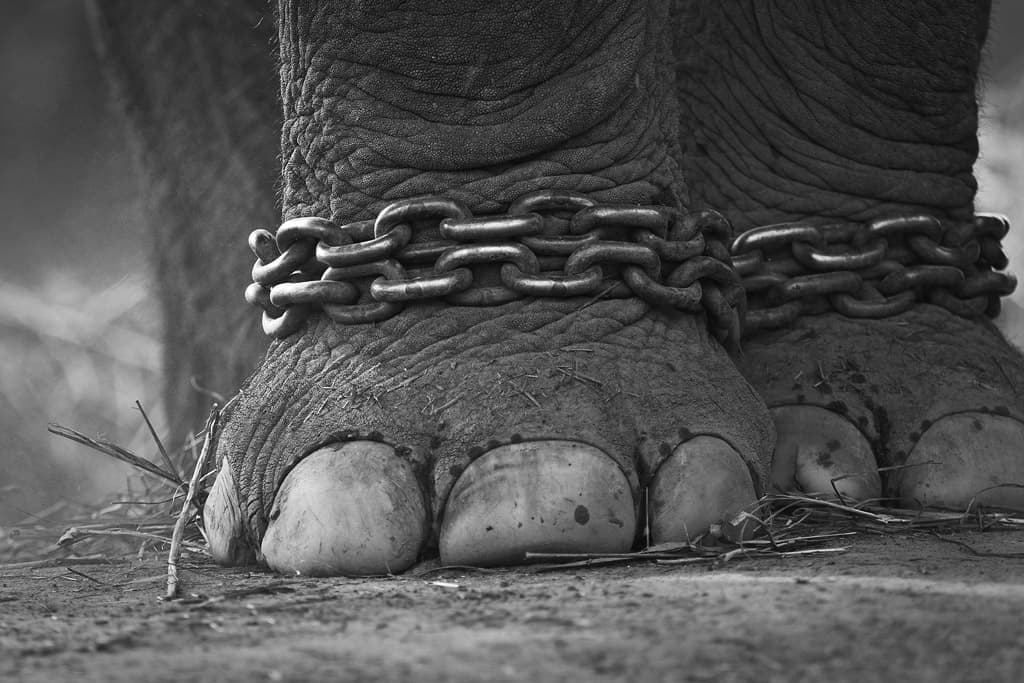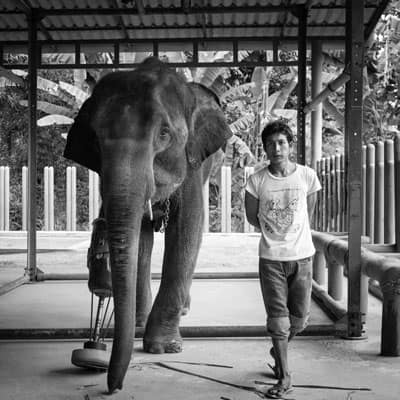
More than 3,500 Asian elephants are currently held in tourist camps across Southeast Asia — and according to a 2019 report by World Animal Protection, over 75% of nearly 3,000 elephants surveyed were living in severely cruel conditions: chained, sleep-deprived, and forced to carry tourists for 12 hours a day. I remember standing at a trekking camp in northern Thailand and watching an elephant flinch every time a mahout raised his arm. That was the moment I stopped riding elephants — and started looking for somewhere better.
The good news: ethical alternatives exist in every country in the region. This 2026 guide covers the best ethical elephant sanctuaries in Thailand, Cambodia, Laos, and Myanmar — places where rescued elephants roam freely, where your visit funds conservation rather than cruelty, and where you can have a genuinely moving encounter with these animals without contributing to their suffering.
- Over 75% of elephants in Asian tourist entertainment are kept in cruel conditions (World Animal Protection, 2019)
- Ethical sanctuaries never offer rides, use bullhooks, or chain elephants in small spaces
- Thailand has the highest concentration of ethical sanctuaries, particularly around Chiang Mai and Phuket
- Cambodia’s Elephant Valley Project and Laos’s Elephant Conservation Center are the leading options outside Thailand
- Expect to pay $45–$200+ per person; higher prices often reflect better welfare standards and smaller group sizes
Why You Shouldn’t Ride Elephants
Turning a wild elephant into a compliant ride animal is a long, deliberate process of trauma. While some elephants are born in captivity, many are captured in the wild — particularly in Myanmar. A 2013 TRAFFIC report found that a wild-caught baby elephant could fetch up to $60,000 on the black market. Older females are sometimes killed trying to protect their young.
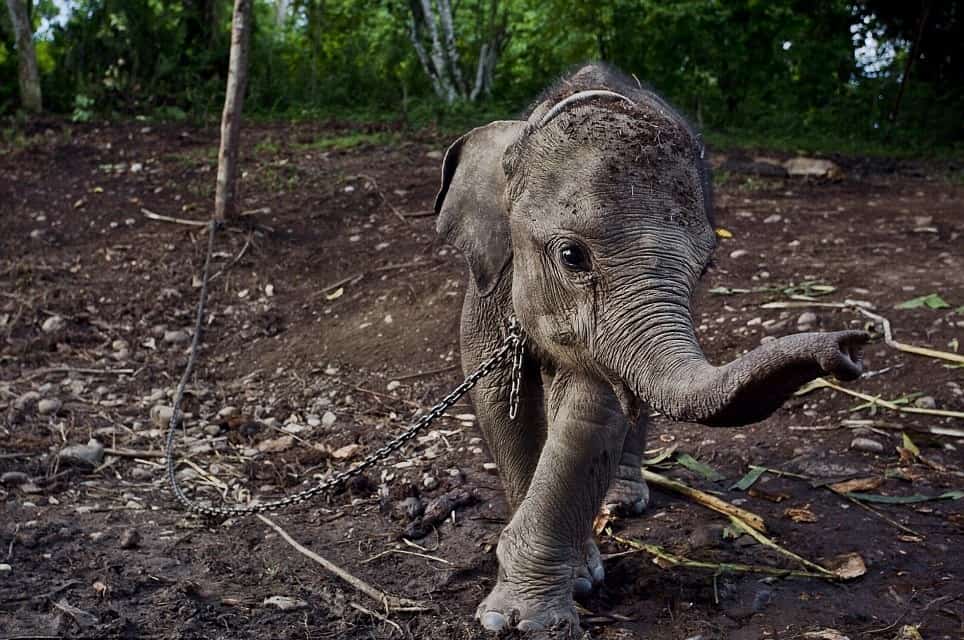
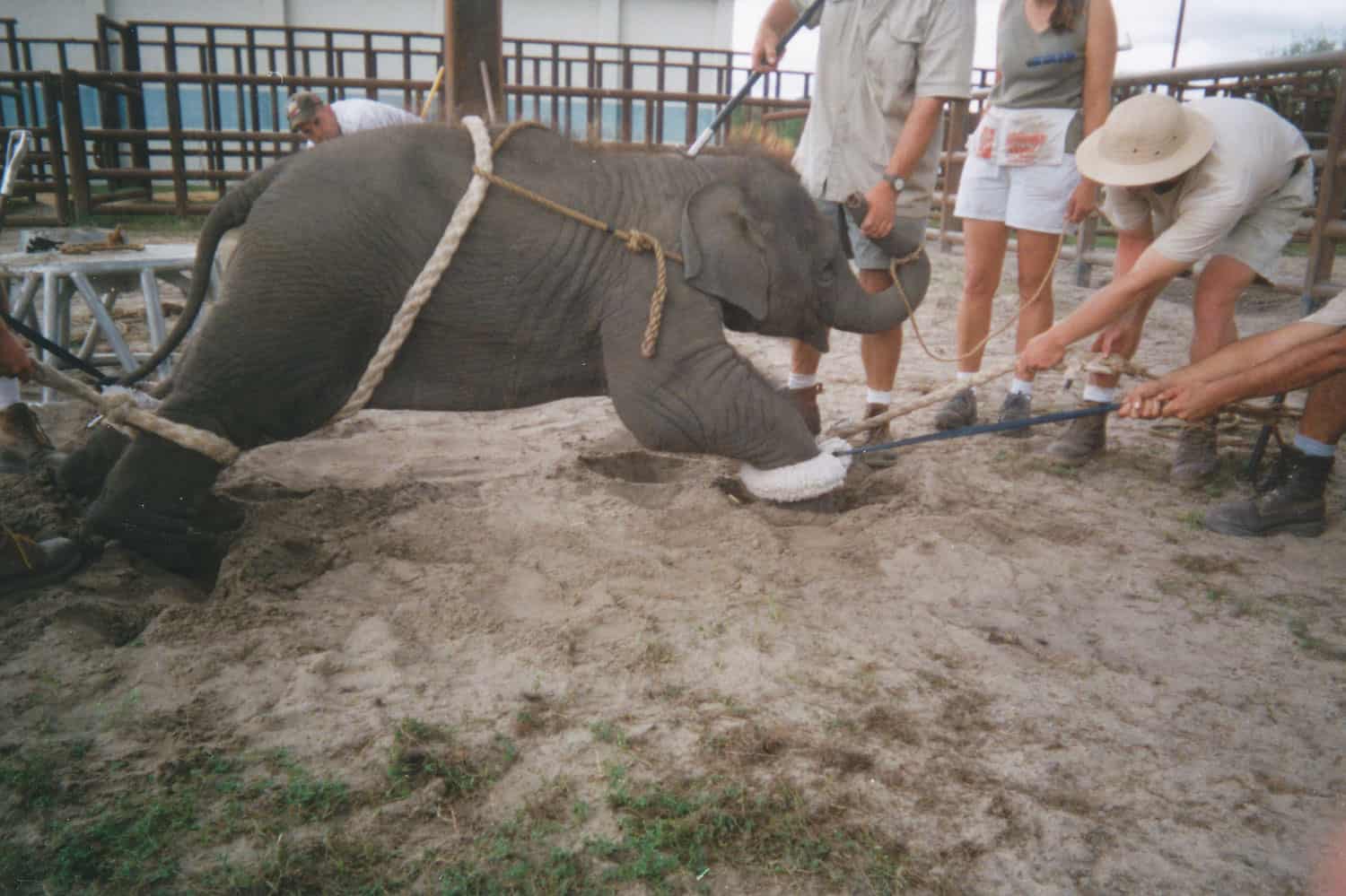
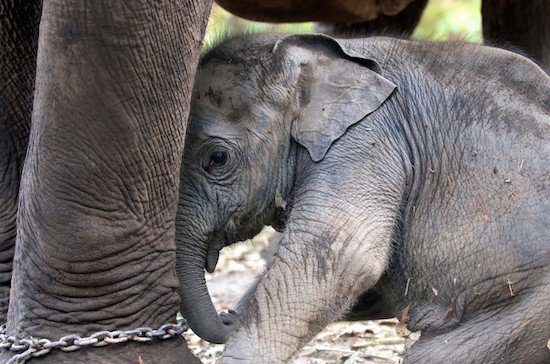
Baby elephants destined for trekking camps go through a practice called phajaan — a “spirit-crushing” ritual involving physical immobilisation, sleep deprivation, food restriction, and repeated beatings. The process breaks the animal’s will and creates a lifetime of psychological trauma. Even after phajaan, working elephants are typically kept on chains between rides, denied social contact, and worked to the point of exhaustion.
There is no such thing as a “kind” way to train an elephant to allow someone to sit on its back. If a venue offers rides, that is enough to walk away.
How to Spot an Ethical Elephant Sanctuary
The term “sanctuary” is used loosely across Southeast Asia. Some venues advertise ethical credentials while still using restraints and tightly scripted tourist interactions. These are the signs to look for before you book:
- No elephant rides. Full stop. Any venue offering a ride — even bareback — is not ethical.
- No bullhooks (ankus). These metal hooks are designed to cause pain. Staff at genuine sanctuaries use only verbal cues or gentle touch.
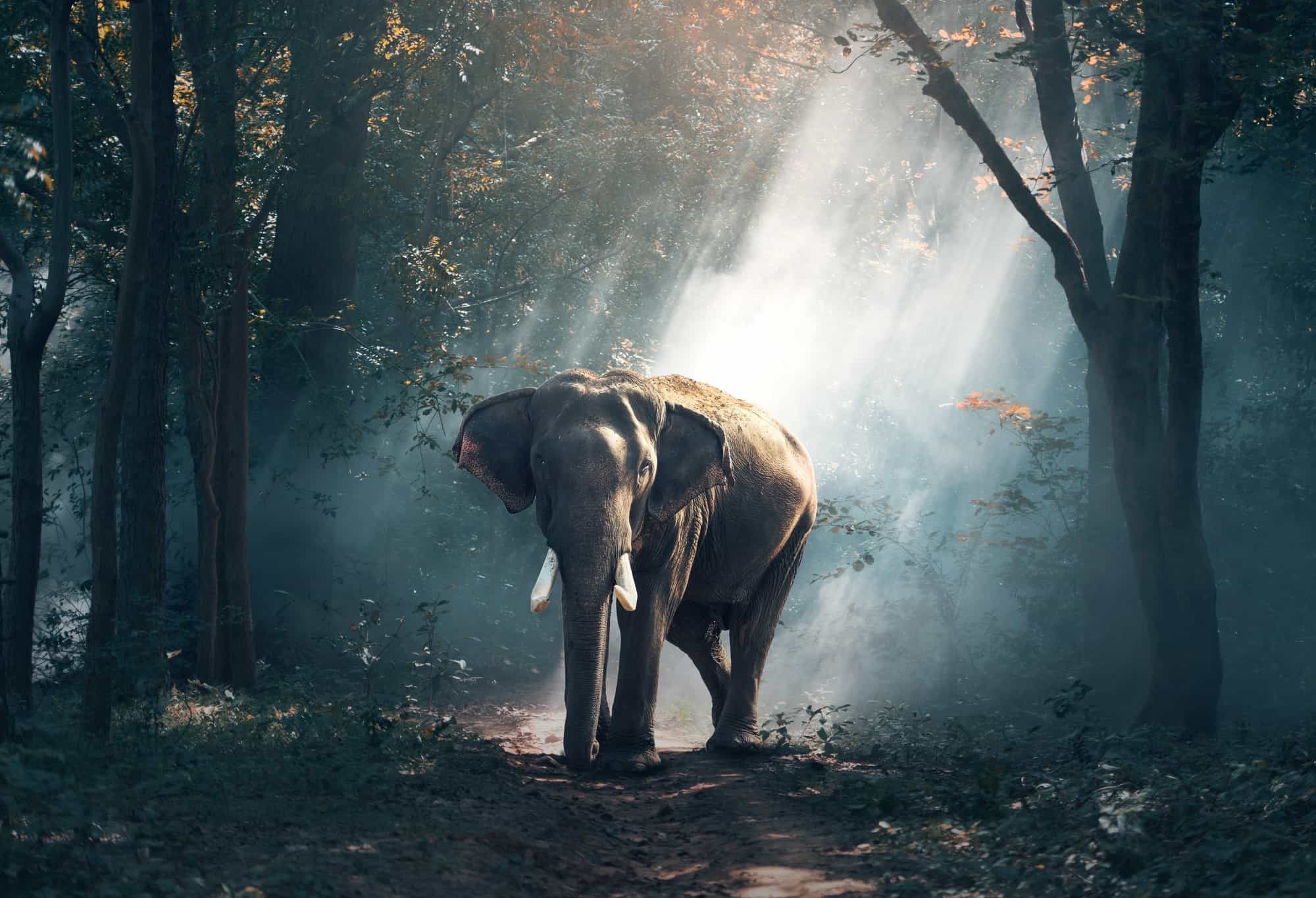
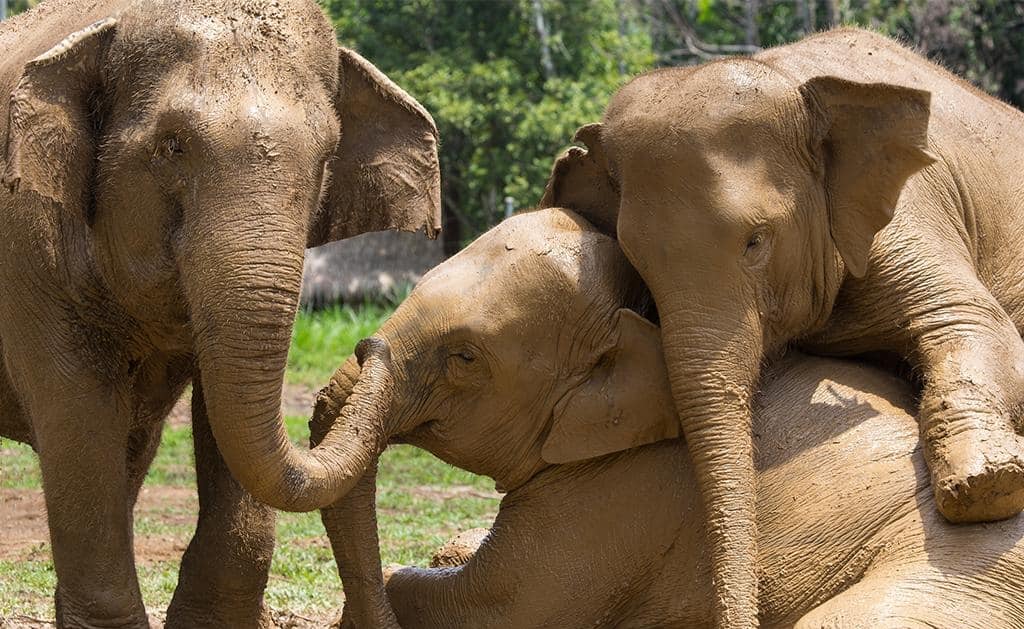
- Elephants roam freely. In ethical settings, elephants move through large forested areas and are not kept in small enclosures or on chains except briefly for veterinary care.
- Limited, structured interaction. The best sanctuaries restrict tourist-elephant contact to specific moments — often fruit feeding or observation only — to minimise stress on the animals.
- Small group sizes. Reputable venues cap groups at 8–20 people. Large crowds (40+) are a warning sign.
- Transparency about their elephants. Good sanctuaries name their animals, share their rescue stories, and explain the ongoing challenges of rehabilitation.
Ethical Elephant Sanctuaries in Thailand
Thailand has more ethical elephant sanctuaries than anywhere else in Southeast Asia, reflecting both the scale of the problem (Thailand has the highest concentration of captive elephants in the region) and growing awareness among tourists and operators alike.
Elephant Nature Park — Chiang Mai
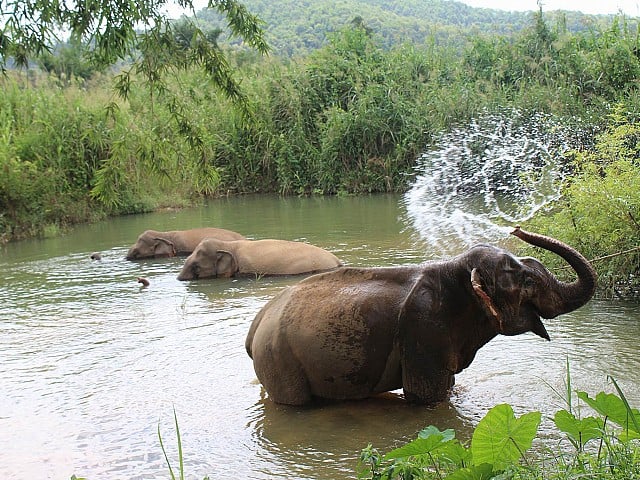
Founded by Lek Chailert in the 1990s, Elephant Nature Park is the most well-known ethical sanctuary in Asia. Set on 250 acres of rainforest in Chiang Mai province, the park is home to dozens of rescued elephants — along with hundreds of rescued dogs and cats. Visitors observe elephants bathing in the river, foraging, and socialising. There are no rides, no shows, and no bullhooks.
Day visits cost around $80–$100 per person. Volunteer programs start from one week and include accommodation.
Boon Lott’s Elephant Sanctuary (BLES) — Sukhothai
BLES is a small, immersive sanctuary recommended by PETA, home to around 12 former captive elephants. Guests stay on-site (maximum six visitors at a time) and participate in daily elephant care: preparing food, walking alongside the herd, and observing natural behaviour. There is no trekking and no training — just elephants living as close to naturally as captivity allows. Prices are higher than day-visit sanctuaries, reflecting the intimate experience.
Elephant Jungle Sanctuary — Chiang Mai, Phuket, Pattaya & Koh Samui
Elephant Jungle Sanctuary is one of Thailand’s largest ethical eco-tourism projects, with locations in Chiang Mai, Phuket, Pattaya, and Koh Samui. The Chiang Mai experience takes place in a Karen hill-tribe village about an hour from the city. Visitors observe elephants in their natural habitat, participate in feeding, and learn about the elephants’ rescue stories. No riding, no bullhooks. Half-day tours start from around $65; a full ethical day tour from Chiang Mai includes lunch and hotel transfer.
Phuket Elephant Sanctuary — Phuket
Opened in 2016, Phuket Elephant Sanctuary was the island’s first ethical elephant sanctuary and is consistently rated as one of the best in Southeast Asia (4.8★ from over 3,100 reviews). Elephants roam freely across 30 acres of natural forest; interaction is limited to observation from a purpose-built walkway and fruit feeding. No bathing, no riding, no direct contact — a stricter standard than many other venues. A small-group Phuket Elephant Sanctuary tour runs from around $110 per person (4.5 hours, hotel pickup included). A longer full-day visit with lunch and dinner is also available from around $215.
Elephant Hills — Khao Sok
Set in the rainforest near Khao Sok National Park, Elephant Hills is one of the very few chain-free elephant camps in southern Thailand. Multi-day safari packages let guests stay in floating tented camps on Cheow Lan Lake and spend time with the elephant herd. The experience covers elephant observation, canoe trips through the rainforest, and guided jungle treks. Prices start around $250 for a two-day package. If you’re planning things to do in Phuket, Khao Sok is a worthwhile day trip or overnight extension.
Friends of the Asian Elephant Hospital — Lampang
This is the world’s first elephant hospital, offering free veterinary care to injured and sick elephants across Thailand. The Lampang facility is open to visitors and accepts donations — they even have a prosthetic limb factory for elephants who have lost legs to landmines or snares. Less of a tourist experience and more of an active conservation centre.
Mahouts Elephant Foundation — Western Thailand (Karen Hill Tribe Villages)
The Mahouts Elephant Foundation works directly with Karen mahout communities, helping elephants return to forest life while providing mahouts with an alternative income through small-group guided walks. You observe elephants entirely free in the jungle — no fences, no chains. Limited availability; most visits are arranged directly through the foundation.
WFFT Thai Elephant Refuge — Tha Mai Ruak
The Wildlife Friends Foundation Thailand (WFFT) operates a large rescue centre that takes in elephants, bears, gibbons, and other animals from the entertainment and logging industries. Day visits and multi-week volunteer placements are available. The on-site hospital treats animals year-round.
Ethical Elephant Sanctuary in Cambodia
Elephant Valley Project — Mondulkiri
The Elephant Valley Project (EVP) in Mondulkiri province is run by a registered Cambodian NGO and is widely regarded as one of the most responsible elephant venues in Asia. Rather than a structured “sanctuary experience,” visits involve trekking through jungle alongside indigenous Bunong guides to observe the elephants — called the “walking with elephants” model. The elephants are not trained for tourist interaction and visitors maintain a respectful distance. EVP offers discounts for NGO workers, vets, and conservation students. Prices start from around $50 per person for a day visit. If you’re visiting Cambodia, Mondulkiri is a long day trip or overnight from Phnom Penh — plan at least two nights to make the journey worthwhile. Note: Viator does not currently list Cambodian elephant sanctuary tours; book directly through EVP’s website.
Ethical Elephant Sanctuaries in Laos
Elephant Conservation Center — Sayaboury
The Elephant Conservation Center in Sayaboury province is one of the most ambitious elephant welfare projects in Southeast Asia. Home to around 30 elephants — some saved from logging, others from being sold to foreign zoos — the centre manages 530 hectares of protected forest. The breeding programme has produced several calves, which is rare in captivity. Visitors stay overnight in floating bungalows, observe feeding and veterinary care, and participate in research walks. Prices start around $150 per person for a one-night programme.
MandaLao Elephant Sanctuary — Luang Prabang
A smaller sanctuary outside Luang Prabang, MandaLao rescued its elephants from the logging industry and works with a national park to reintroduce elephants into the wild. Visitors join guided forest walks to observe the elephants foraging naturally. No riding, no bathing with tourists, no chains. Day visits are available for around $90 per person.
Ethical Elephant Sanctuary in Myanmar
Myanmar’s ethical travel situation is complex. The country has been under military rule since the 2021 coup, and many responsible travel organisations advise against non-essential tourism. If you do visit, directing your spending toward community-owned or NGO-run projects is important.
Green Hill Valley Elephant Park — Kalaw
This family-owned sanctuary near Kalaw (Shan State) offers visitors the chance to participate in daily elephant care — preparing food, learning about individual elephants, and observing them in the surrounding forest. There is also an on-site reforestation project addressing habitat loss. The sanctuary does not offer rides and does not use bullhooks.
What to Expect on a Visit
Most ethical elephant sanctuaries follow a similar format:
- Transfer from your hotel (usually included in the tour price)
- Orientation talk — learning each elephant’s rescue story and the sanctuary’s ethical standards
- Observation walk — following the herd at a respectful distance as they forage, play, and socialise
- Feeding — offering fruit (bananas, sugarcane, watermelon) by hand or from a platform
- Lunch — typically a Thai or local meal included in the price
You will not bathe with the elephants at most ethical venues (this level of physical contact requires extensive training-based conditioning). Venues that offer “mud bath + swim” experiences often use more coercive training methods to make elephants comfortable with large numbers of splashing tourists. The absence of bathing is usually a sign of a more ethical operation, not a lesser one.
Pack sunscreen, a change of clothes, and closed-toe shoes. Most sanctuaries provide traditional hill-tribe clothing for the visit. Respect the no-mobile-phone-flash rule around the herd.
For full trip preparation, a solid set of eco-friendly travel products — reusable water bottles, reef-safe sunscreen, bamboo utensils — will serve you well across Southeast Asia. And make sure you have the right travel insurance before you go; activities involving large animals may require specific cover.
Frequently Asked Questions
Which elephant sanctuary is the most ethical?
Phuket Elephant Sanctuary and Boon Lott’s Elephant Sanctuary (BLES) are consistently cited as the most ethical in Thailand. Phuket Elephant Sanctuary enforces strict no-contact policies; BLES keeps visitor numbers to a maximum of six per stay. For Cambodia, the Elephant Valley Project’s observation-only model is widely respected. The most ethical sanctuaries share one characteristic: the elephants dictate the interaction, not the schedule.
Are any of the elephant sanctuaries in Thailand ethical?
Yes — dozens are. The key is to look for sanctuaries that prohibit riding, use no bullhooks, and allow elephants to move freely in large forested areas. Elephant Nature Park, Phuket Elephant Sanctuary, BLES, and the Elephant Jungle Sanctuary are all well-regarded options with strong review records and transparent welfare standards.
What is the most ethical elephant sanctuary in the world?
There is no single definitive answer, but Phuket Elephant Sanctuary (Thailand) and Elephant Conservation Center (Laos) are frequently named by responsible travel organisations including Responsible Travel and World Animal Protection. Both prioritise observation over interaction, have strong veterinary programmes, and contribute to habitat protection.
Is a Chiang Mai elephant sanctuary visit worth it?
Yes — if you choose carefully. Chiang Mai has both excellent sanctuaries (Elephant Nature Park, Elephant Jungle Sanctuary) and venues that use ethical marketing while retaining coercive practices. Read reviews on TripAdvisor carefully, look for mentions of “no riding” and “free-roaming,” and book through operators that are transparent about their funding model.
How much does an ethical elephant sanctuary cost?
Half-day ethical visits in Chiang Mai typically run $50–$100 per person (with transfer and lunch). Full-day visits cost $100–$150. Phuket sanctuaries run $110–$220. Multi-day programmes at Elephant Hills or Elephant Conservation Center (Laos) can reach $250–$400+. The higher cost of no-ride sanctuaries reflects genuine welfare investment — smaller groups, more forest space, and proper veterinary care.
What should I look for in an ethical elephant sanctuary?
The minimum ethical checklist: no elephant rides, no bullhooks, elephants roam free in large spaces, small group sizes (under 20), and transparent rescue histories for each animal. Bonuses: active veterinary programme, breeding or reintroduction work, and mahout employment at fair wages.